


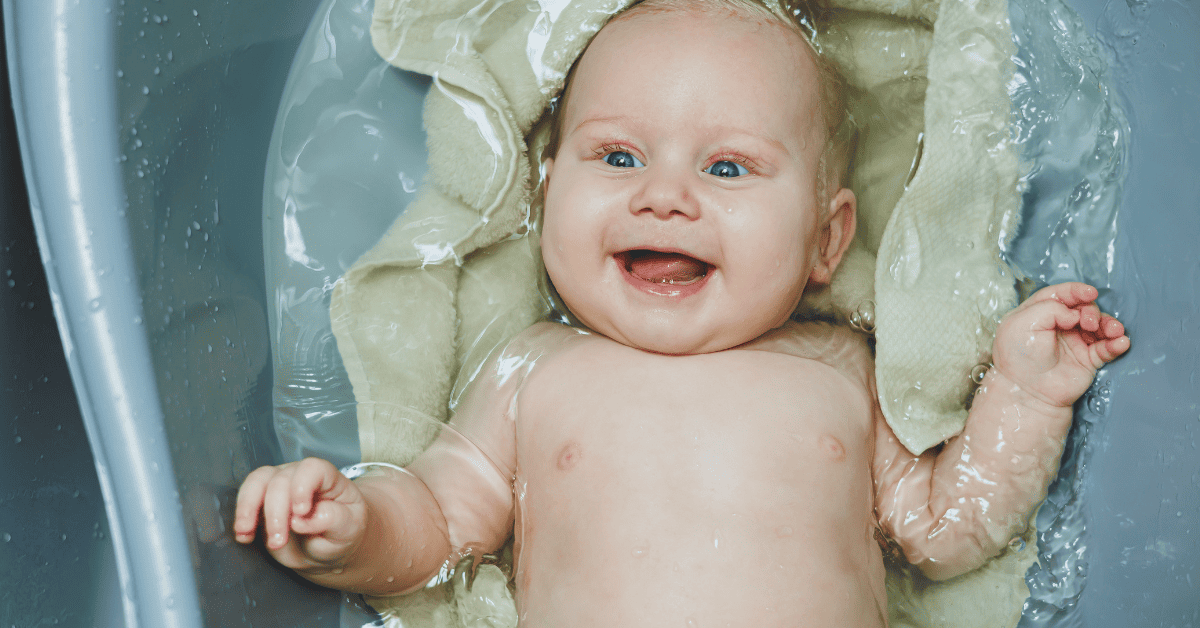
acozyfuture.com - Bathing a newborn can feel overwhelming for first-time parents, especially when you are unsure about the right technique, water temperature, or how often your baby needs a bath.
This guide explains how to bathe a newborn safely with step-by-step instructions, essential bath supplies, and tips to keep your baby calm and comfortable. You will also learn how to clean each part of your newborn, when to start tub baths, how to prevent common mistakes, and the best time of day to bathe your baby for better sleep!
Table of Contents:
- When Can You Start Bathing a Newborn?
- How Often Should You Bathe a Newborn?
- What You Need Before Bath Time
- Step-by-Step Guide on How to Bathe a Newborn Safely
- Tips for a Stress-Free Bath Time with Your Newborn Baby
- How to Clean Each Part of the Newborn
- Common Bath Mistakes to Avoid
- How Often Should You Bathe a Newborn in Hot Weather?
- What to Do If Your Newborn Cries During Bath Time
- Best Time of Day to Bathe a Newborn for Better Sleep
- When to Switch From Sponge Baths to Tub Baths
- How to Keep Your Newborn Warm During and After the Bath
- Post-Bath Care for Newborn Skin
- Safety Checklist for Every Newborn Bath
- FAQs: How to Bathe a Newborn
When Can You Start Bathing a Newborn?

You can start bathing a newborn once you feel comfortable, but full tub baths should wait until the umbilical cord stump falls off. Until then, sponge baths are recommended.
This keeps the stump dry and reduces the risk of irritation or infection. Most umbilical stumps fall off naturally between 1 and 2 weeks.
How Often Should You Bathe a Newborn?
Newborns do not need daily baths. Bathing 2 or 3 times a week is enough during the first months because their skin is sensitive and prone to dryness.
Between baths, you can gently clean areas that collect milk, sweat, or drool, such as the neck folds, armpits, face, and diaper region.
Read More: 13 Things to Do With a Newborn Baby
What You Need Before Bath Time
Gather everything before you start because you can't leave your baby unattended, even for one second. Prepare these essentials:
-
A safe baby bathtub or basin
-
Two soft towels
-
A washcloth
-
Mild, fragrance-free baby cleanser
-
A clean diaper
-
A fresh set of clothes
-
A cup or small container for rinsing
-
Warm water at a safe temperature
-
A warm, draft-free room
Step-by-Step Guide on How to Bathe a Newborn Safely

Step 1: Prepare the Bath Area
Place the bathtub on a stable, flat surface. Fill it with 2 to 3 inches of warm water. Test the temperature using your inner wrist or forearm.
Step 2: Support Baby’s Head and Neck
Use one hand to support the head and neck at all times. Your other hand is free to wash and rinse.
Step 3: Wash From Top to Bottom
Start with the cleanest areas and move to the dirtiest. Begin with the face without using soap. Wash the scalp gently, then clean the arms, chest, belly, legs, and diaper area last.
Step 4: Rinse Carefully
Use a cup or your hand to pour warm water gently over your baby's skin. Avoid splashing the face.
Step 5: Dry Thoroughly
Wrap your baby in a soft towel immediately. Pay special attention to neck folds, armpits, and groin areas to prevent moisture buildup.
Tips for a Stress-Free Bath Time with Your Newborn Baby
-
Keep the room warm so your baby stays comfortable.
-
Talk softly to reassure your newborn.
-
Use slow, gentle movements.
-
Keep baths short, especially in the early weeks.
-
Always keep one hand on your baby for safety.
How to Clean Each Part of the Newborn

Face
Use a clean cotton pad or soft cloth dampened with warm water. No soap needed.
Hair and Scalp
Massage the scalp with a small amount of mild shampoo. Rinse completely to prevent buildup.
Neck Folds
Lift the chin gently to clean milk and sweat trapped in the folds.
Genital Area
Clean girls from front to back. For boys, avoid retracting the foreskin.
Back and Legs
Support the chest with your forearm while your hand supports the chin. Rinse and clean the back gently.
Read More: 1 Month Old Baby: Key Milestones to Expect
Common Bath Mistakes to Avoid
-
Using hot water
-
Leaving the baby unattended
-
Adding too much soap
-
Bathing right after feeding
-
Keeping the bath too long
How Often Should You Bathe a Newborn in Hot Weather?
Parents in warm climates often wonder if their newborn needs more baths. Heat makes babies sweat more, but their skin is still delicate.
You can bathe your newborn slightly more often in hot weather, but keep baths short and use minimal soap to avoid dryness. On days when an extra bath is not needed, wipe key areas like the neck, armpits, and diaper region.
What to Do If Your Newborn Cries During Bath Time
Crying during baths is common, especially in the first month. Babies may feel cold, overstimulated, or insecure.
Warm the room, keep your baby wrapped in a towel until ready, pour warm water slowly, and use a calm voice. Try adjusting the time of day. Many babies cry less during evening baths when they are naturally more relaxed.
Read More: Newborn Twitching in Sleep: Should Parents Be Concerned?
Best Time of Day to Bathe a Newborn for Better Sleep
Baths can soothe newborns and help establish a bedtime rhythm. Evening baths often work best because warm water relaxes the muscles and signals that sleep is coming. However, if your baby becomes more alert after baths, switch to morning or midday.
There is no one perfect time. Choose a time when your baby is calm, fed, and not overtired.
When to Switch From Sponge Baths to Tub Baths
Once the umbilical stump falls off and the area is fully healed, typically around two weeks, your newborn can safely enjoy a tub bath. Look for signs like improved neck control and your baby showing comfort during sponge baths.
How to Keep Your Newborn Warm During and After the Bath
Use a warm room, warm towels, and quick transitions between steps. You can also try swaddle bathing, which keeps the baby wrapped while washing one limb at a time.
Read More: Newborn Congestion: When to Worry and Seek Help
Post-Bath Care for Newborn Skin
Dry the skin well and apply a baby-safe moisturizer immediately to lock in hydration. Address any dryness on elbows, knees, or face. If your baby has a cradle cap, gently massage the scalp with oil before the next bath.
Safety Checklist for Every Newborn Bath
-
Keep water shallow
-
Hold your baby securely at all times
-
Test water temperature
-
Never turn away from your newborn
-
Keep everything within reach
FAQs: How to Bathe a Newborn

How do I bathe a newborn safely?
Use warm water, support the head and neck, wash gently from top to bottom, and never leave your baby unattended.
How to bathe a newborn with the umbilical cord still attached?
Stick to sponge baths and keep the stump completely dry.
What temperature should newborn bath water be?
Aim for lukewarm water that feels comfortably warm on your inner wrist.
How long should a newborn bath last?
Five to ten minutes is enough.
What is the best time to bathe a newborn?
Choose a moment when your baby is calm and alert, often before an evening feed.
What should I do if my baby cries during the bath?
Warm the room, adjust water temperature, keep movements gentle, and try bathing at a different time of day.
Can a newborn take a bath every day?
It is not necessary. Bathing 2 or 3 times a week is enough for most newborns.
Conclusion: How to Bathe a Newborn
Bathing a newborn becomes easier with practice. With the right preparation, safe techniques, and a calm routine, bath time can turn into a relaxing and bonding experience for you and your baby.
Keep safety first, follow your baby’s cues, and enjoy the moments as your newborn grows more comfortable in the water.
Related Articles:
13 Things to Do With a Newborn Baby
Newborn Twitching in Sleep: Should Parents Be Concerned?
Newborn Congestion: When to Worry and Seek Help

Share:
1 Month Old Baby: Key Milestones to Expect
Preparing for Fatherhood: Every Dad-to-Be Should Know This!