


acozyfuture.com - Bringing your newborn home is exciting, but even something as simple as choosing newborn diapers can feel overwhelming. With so many sizes, features, and brands, it's easy to wonder if you're making the right choice.
The wrong diaper can lead to leaks or irritation, adding extra stress to those first few weeks. This guide will help you choose newborn diapers with confidence, so your little one stays comfortable from day one.
Table of Contents:
What Are Newborn Diapers?

Newborn diapers are specially designed for babies during their first few weeks of life. They are smaller than standard diapers and are made to fit a newborn's tiny body comfortably.
Many newborn diapers also include features such as soft, breathable materials, a wetness indicator, and an umbilical cord notch that helps protect your baby's healing belly button. These thoughtful details can make diaper changes a little easier during those busy first weeks.
The First Diaper Change at Home
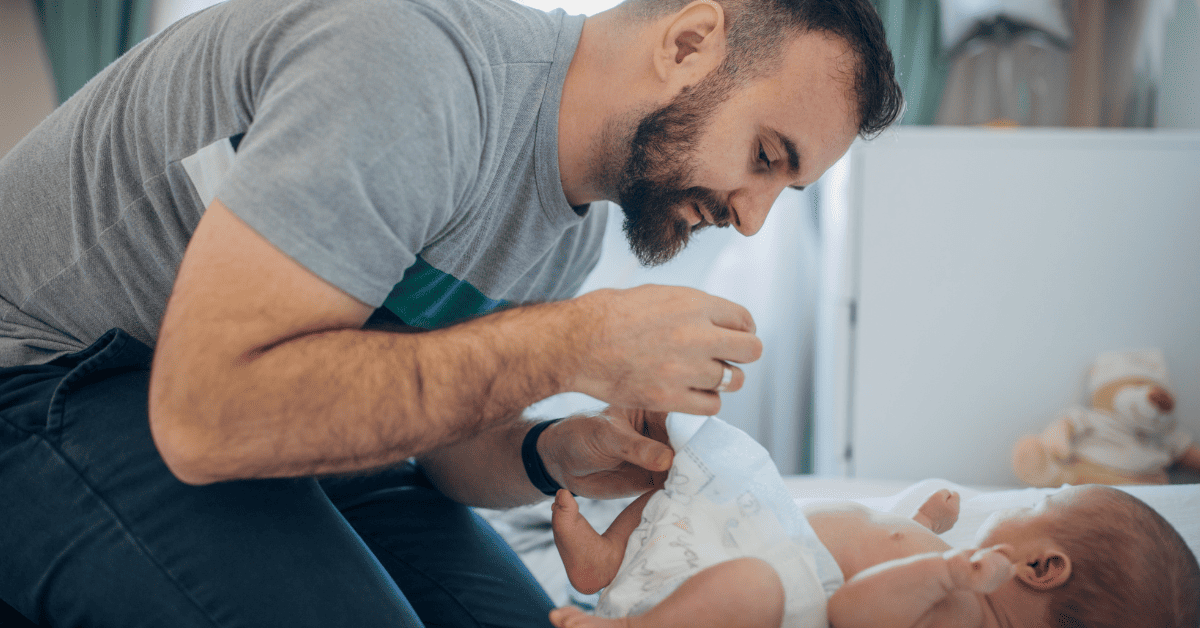
For many parents, the first diaper change at home is one they'll never forget.
You carefully lift your tiny baby onto the changing mat, open a fresh diaper, and suddenly wonder: Is it too loose? Too tight? Did I fasten the tabs correctly?
If that sounds familiar, you're not alone!
Every new parent has moments of uncertainty, and that's completely normal. Choosing the right newborn diapers won't make you an expert overnight, but it can give you one less thing to worry about as you settle into life with your little one.
Read More: How to Change a Diaper: A Guide for First-Time Parents
What Makes Newborn Diapers Different?
Although they may look similar to larger diapers, newborn diapers are designed with the unique needs of newborns in mind.
Smaller Fit
Newborn diapers are made for babies who typically weigh around 6 to 10 pounds, though weight ranges vary slightly by brand.
A snug fit helps reduce leaks while keeping your baby comfortable.
Umbilical Cord Notch
Many newborn diapers feature a cutout or lower front panel that helps prevent rubbing against the healing umbilical cord stump.
Softer Materials
A newborn's skin is delicate, so many diapers use soft, breathable materials to reduce friction and improve comfort.
Wetness Indicator
Some newborn diapers include a color-changing wetness indicator, making it easier to know when it's time for a diaper change, especially helpful for first-time parents.
How to Choose the Right Newborn Diapers

With so many options available, it's helpful to focus on a few key features.
Choose the Right Size
Always use your baby's weight as a guide rather than their age.
Two babies born on the same day may need different diaper sizes depending on their birth weight and growth.
Look for Good Absorbency
A diaper that quickly absorbs moisture helps keep your baby's skin drier and may reduce the chance of leaks.
Choose Breathable Materials
Breathable diapers allow better airflow, helping your baby stay comfortable throughout the day.
Consider Sensitive Skin
If your baby has delicate skin, look for diapers that are:
-
Fragrance-free
-
Lotion-free
-
Certified for sensitive skin
-
Made without unnecessary harsh chemicals
Check the Fit
A properly fitting diaper should sit snugly around the waist and legs without leaving deep red marks.
Newborn Diaper Size Guide
Choosing the correct size is one of the easiest ways to improve comfort and reduce leaks.
|
Baby Weight |
Typical Diaper Size |
|
Under 6 lbs |
Preemie (if needed) |
|
6-10 lbs |
Newborn |
|
8-14 lbs |
Size 1 |
Note: Keep in mind that sizing can vary slightly between brands, so always check the packaging before buying.
How Many Newborn Diapers Will You Need?
One of the biggest surprises for new parents is just how many diapers newborns go through.
Most newborns need 8 to 12 diaper changes every day. That adds up to approximately 240 to 360 diapers during the first month alone.
It may be tempting to stock up on newborn diapers before your baby arrives, but avoid buying too many. Some babies quickly outgrow the newborn size or are born large enough to start wearing size 1 diapers almost immediately.
Read More: How Many Newborn Diapers Do I Need? Daily Use Explained
Signs Your Newborn Diaper Fits Properly
A well-fitting diaper helps keep your baby comfortable while reducing leaks.
Look for these signs:
-
The waistband fits comfortably without digging into the skin.
-
The leg cuffs sit snugly around the thighs.
-
There are no large gaps.
-
The diaper stays in place during movement.
-
Your baby isn't experiencing frequent leaks or blowouts.
Read More: When to Size Up Diapers: 10 Key Signs to Watch For
Tape Diapers vs. Pull-Up Pants: Which One Is Better for Newborns?
For newborns, tape diapers are generally the better choice.
Because newborns spend most of their time lying down, tape diapers make diaper changes quicker and easier. They also allow parents to adjust the fit more precisely.
Pull-up pants are designed for older, more active babies and toddlers who are standing, crawling, or beginning potty training.
Cozycove Has Got You Covered!
Whether you have a newborn or an active toddler, the right diaper can make all the difference. Cozycove's Snooze On Tape Diapers for newborns and little babies, and Play Hard Pull-Up Pants for growing toddlers, are thoughtfully designed to help keep your little one dry, comfortable, and protected from messy leaks.
Featuring a fast-absorbing core, breathable materials, and a secure fit, Cozycove Diapers quickly lock away moisture while helping reduce gaps that can lead to leaks and diaper blowouts. They also help minimize prolonged wetness and friction, supporting healthier, happier skin for your baby.
From sleepy newborn snuggles to busy toddler adventures, Cozycove gives parents dependable leak protection, all-day comfort, and extra peace of mind with every diaper change.
👉 Check out our products:
Cozycove Snooze On Diapers (Travel Pack)
Cozycove Play Hard Diapers (Travel Pack)
Read More: Cozycove Diapers: Complete Diaper Size Chart for Parents
Should You Stock Up Before Baby Arrives?
Many parents wonder whether they should buy several boxes of newborn diapers before delivery. The answer depends on your situation.
Buying a small supply ahead of time can be convenient, especially if you find a good sale. However, it's usually better not to overstock because:
-
Babies grow at different rates.
-
Your preferred diaper brand may change.
-
Some babies skip newborn size entirely.
A practical approach is to buy a few packs of newborn diapers and one pack of size 1 diapers before your baby arrives.
Quick Buying Checklist
Before purchasing newborn diapers, ask yourself:
✔ Is this the correct size for my baby's weight?
✔ Does it have good absorbency?
✔ Are the materials soft and breathable?
✔ Is it suitable for sensitive skin?
✔ Does it fit snugly around the legs and waist?
✔ Does it include a wetness indicator?
Tip: Before committing to a diaper brand, consider trying a smaller pack instead of purchasing a large one. This gives you the chance to see how the diapers fit your baby, how well they absorb, and whether they're gentle on your baby's skin before stocking up.
For example, Cozycove Diapers offers Travel Packs that consist of 5 diapers per pack, making it easy to test them before buying a full-sized pack.
Frequently Asked Questions: Newborn Diapers

Which diaper is best for a newborn?
The best newborn diapers offer a snug fit, good absorbency, soft and breathable materials, and features that are gentle on delicate skin. Many parents also look for a wetness indicator and an umbilical cord notch. The right choice depends on your baby's size, skin sensitivity, and your family's preferences.
What size of diapers do newborns use?
Most full-term newborns wear newborn-size diapers, which are generally designed for babies weighing about 6 to 10 pounds, though this varies by brand. Smaller babies may need preemie diapers, while larger newborns may fit into size 1 sooner than expected.
Is size 1 the same as newborn?
No. Newborn diapers are smaller and designed specifically for babies during their first few weeks of life. Size 1 diapers typically fit babies weighing 8 to 14 pounds, so there is some overlap. Larger newborns may start in size 1, while others wear newborn diapers until they outgrow them.
Final Thoughts
The first few weeks with your newborn are filled with learning, and diaper changes quickly become part of your daily routine. While choosing newborn diapers may seem like a small decision, the right fit can make those early days a little easier by helping prevent leaks and keeping your baby comfortable.
You don't have to find the perfect diaper right away. As you get to know your baby's needs, you'll discover what works best for your family. Like many parts of parenting, confidence grows one diaper change at a time.
Related Articles:
Top 7 Newborn Diapers: Must-Try Brands for Parents
How Many Newborn Diapers Do I Need? Daily Use Explained

Share:
What Is Gentle Parenting and How Do You Start?
How to Sanitize Baby Toys Safely and Effectively