


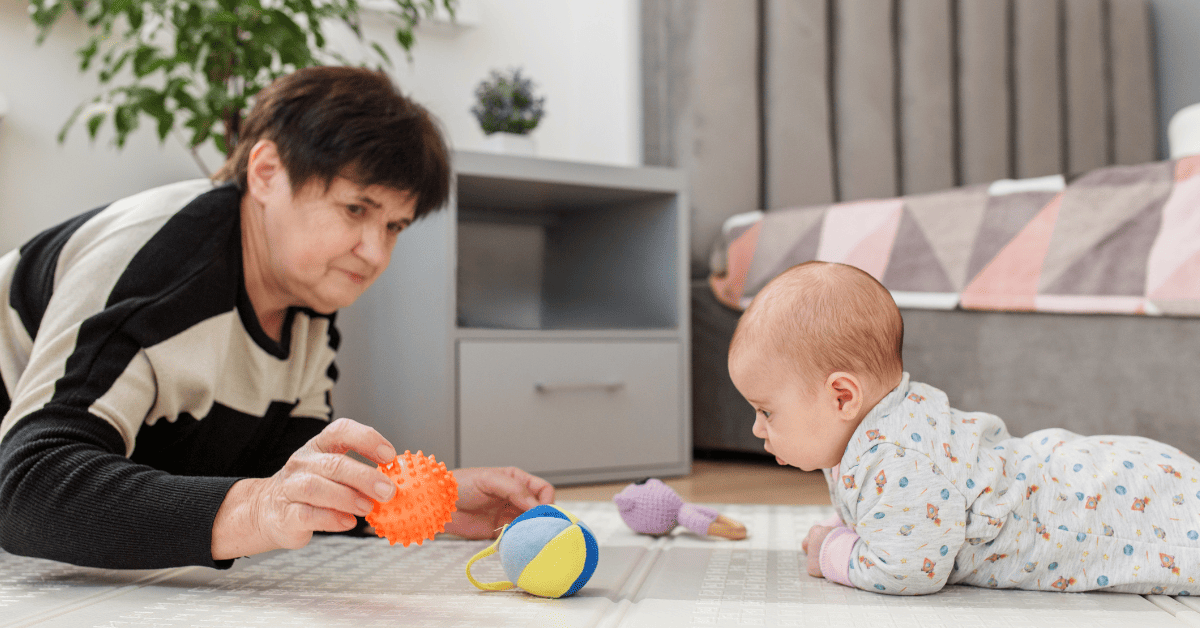
acozyfuture.com - You hide a toy, and your baby instantly acts like it’s gone forever. It can feel confusing, especially when you first hear about something called object permanence. Why don’t they look for it?
If you’ve ever wondered what is object permanence, you’re not alone. This simple idea explains a big part of how your baby learns, and once you understand it, those little moments start to make sense.
Table of Contents:
What Is Object Permanence?

Object permanence is the understanding that things still exist even when you can’t see them.
You hide a toy, and your baby instantly acts like it’s gone forever. Then one day, something changes.
They pause, look around, maybe even lift the blanket to find it. That small moment is a big developmental leap.
If you’ve asked what is object permanence, it’s exactly this shift, when your baby realizes the world doesn’t disappear just because it’s out of sight.
Why Object Permanence Matters in Baby Development
Object permanence helps babies build memory, trust, and early problem-solving skills.
This milestone is more than just a cute peekaboo reaction. It shapes how your baby understands the world and the people in it.
When babies develop object permanence, they begin to:
-
Remember that objects and people still exist
-
Build emotional connections (especially with parents)
-
Start solving simple problems, like finding hidden toys
This is also why your baby might suddenly cry when you leave the room. They now understand you still exist, just not within reach.
Read More: When Do Babies Start Grabbing Things? Age and Milestones
When Do Babies Develop Object Permanence?

Most babies begin developing object permanence between 4 to 7 months and strengthen it by 8 to 12 months.
At first, it’s subtle. Your baby may stare at where a toy disappeared but not reach for it. Over time, that curiosity grows into action.
Simple Timeline
-
0-4 months: No awareness yet
-
4-7 months: Notices when something disappears
-
8-12 months: Actively searches for hidden objects
Is My Baby Late?
It’s completely normal for babies to develop at different speeds. Some show early signs, while others take a little longer.
Development is not a race. What matters most is gradual progress, not hitting an exact timeline.
Signs of Object Permanence in Babies
Babies show object permanence when they begin looking for things that are out of sight.
You might notice small but meaningful changes in your baby’s behavior:
-
Searching for a toy you just hid
-
Smiling or reacting during peekaboo
-
Turning toward a familiar voice
-
Looking for you when you leave the room
Subtle Early Signs Parents Often Miss
Before your baby fully understands object permanence, you might see:
-
A pause or focused stare when something disappears
-
Reaching halfway, then stopping
-
Quiet observation before reacting
These tiny reactions are early signs that their brain is starting to connect the dots.
Stages of Object Permanence (Simple Breakdown)
Object permanence develops gradually, not all at once.
0-4 Months
Babies do not yet understand that objects exist when out of sight.
4-7 Months
They begin noticing when something disappears but may not search for it.
8-12 Months
They actively look for hidden objects and expect things to still be there.
Why Stages Matter More Than Exact Age
It’s easy to compare milestones, but every baby develops differently. These stages are meant to guide, not pressure. Focus on progress, not perfection.
Read More: Pincer Grasp Explained: When It Develops and Why It Matters
Easy Ways to Help Your Baby Develop Object Permanence

You can support object permanence through simple, everyday play.
The best part? You don’t need special toys or tools.
-
Play peekaboo regularly
-
Hide toys under a blanket and reveal them
-
Let your baby watch you move objects
-
Repeat simple games often
Everyday Moments That Build Object Permanence
Some of the best learning happens naturally:
-
Dropping toys from a high chair
-
Watching you walk in and out of a room
-
Putting objects into bags or containers
These moments may seem small, but they are powerful learning experiences.
Object Permanence and Separation Anxiety
Separation anxiety often begins when babies understand object permanence.
Before this stage, your baby doesn’t fully realize you exist when you leave. Once they do, your absence feels more real.
This can look like:
-
Crying when you walk away
-
Clinginess
-
Wanting constant reassurance
What to Say When Leaving
Simple, consistent phrases can help:
-
“I’ll be right back.”
-
“Mommy is coming back soon.”
Over time, your baby learns that even when you leave, you always return.
Why Babies Love Dropping Things (And What It Means)
When babies drop objects repeatedly, they are testing object permanence and cause-and-effect.
It might feel like a game you didn’t sign up for. You pick it up, they drop it again. But this is actually learning in action.
Your baby is exploring:
-
“What happens when I let go?”
-
“Does it still exist when I can’t see it?”
Instead of seeing it as misbehavior, try to view it as curiosity at work.
What Happens If Object Permanence Develops Later?
A slight delay in object permanence is usually normal and varies from baby to baby.
Some babies take more time, especially if they are focused on other skills like movement or language.
You may want to observe more closely if:
-
Your baby shows no interest in hidden objects after 10-12 months
-
There are other developmental concerns
When in doubt, a pediatrician can provide reassurance and guidance.
Object Permanence vs. Memory: What’s the Difference?
Object permanence is knowing something exists, while memory is remembering past experiences.
While they are connected, they are not the same:
-
Object permanence: Understanding something still exists
-
Memory: Recalling something from the past
Similarity: Both develop in early childhood and support each other as your baby grows.
Quick Answer: What Is Object Permanence?
-
It means understanding that things exist even when unseen
-
It develops during the first year of life
-
It supports emotional bonding and learning
Your baby is learning that just because something disappears doesn’t mean it’s gone forever. It’s a simple idea, but it changes how they see the world.
Real-Life Example: A Simple Game That Builds Object Permanence
You place a toy under a blanket. At first, your baby loses interest. A few weeks later, they lift the blanket and smile when they find it.
That moment shows object permanence in action. What once felt like “gone forever” now becomes “just hidden”.
These small wins are signs of big growth!
FAQs About Object Permanence

Is object permanence ADHD?
No, object permanence is not ADHD. It is a normal stage of early brain development where babies learn that things still exist even when out of sight. ADHD is a separate condition that affects attention and behavior, and it is not related to early developmental milestones like this.
What does it mean if you lack object permanence?
Lacking object permanence means struggling to understand that something still exists when it is not visible. In babies, this is completely normal during early development. In older individuals, it may relate more to attention or memory challenges rather than a true absence of object permanence.
Final Thoughts: Small Moments That Shape Big Learning
Understanding object permanence helps you see your baby’s behavior in a new way. The toy drops, the tears when you leave, the excitement during peekaboo, they all connect.
These everyday moments are not random. They are your baby learning how the world works.
And as simple as it seems, this stage lays the foundation for memory, trust, and connection that will grow for years to come.
Related Articles:

Share:
How to Handle 3 Year Old Tantrums: Causes and Solutions
How to Prevent a Diaper Blowout (Easy Tips for Parents)