


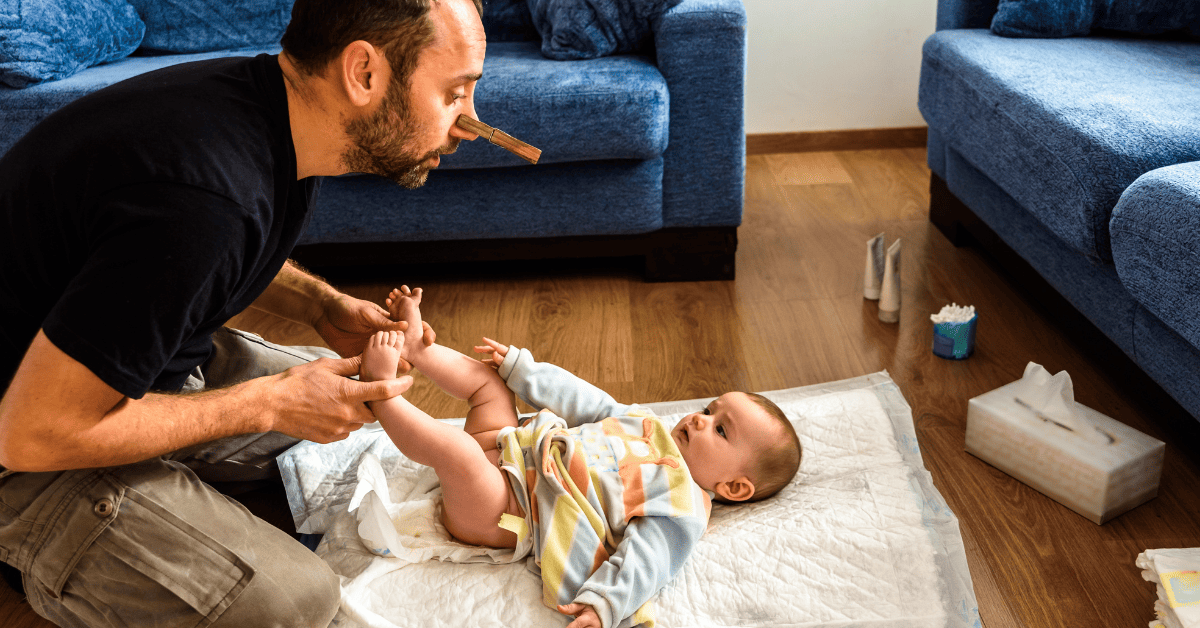
acozyfuture.com - It’s 2 a.m., your baby is hungry, and you’re wondering: Should you change a diaper during night feeds or let them sleep?
Waking them fully can mean tears, longer feeds, and lost rest for you. But skipping a change may lead to leaks or diaper rash.
In this guide, you’ll learn when to change a diaper at night and how to change a diaper gently without disrupting sleep.
Table of Contents:
-
How to Change a Diaper During Night Feeds Without Fully Waking the Baby
-
Final Verdict: Should You Change a Diaper During Night Feeds?
The Short Answer: Should You Change a Diaper at Night?

Yes, you should change a diaper during night feeds if your baby has pooped or the diaper is fully soaked. If it is only slightly wet and your baby is sleeping comfortably, it is usually safe to wait.
Newborns require more frequent overnight changes, while older babies may not. For exhausted parents, the rule is simple: Poop means change. Heavy wetness means change. Light wetness while sleeping can often wait.
Read More: Overnight Diapers: The Key to Improve a Baby’s Sleep
The Science Behind Overnight Diaper Wetness
Understanding what happens inside a diaper helps you decide when to change a diaper at night.
Modern disposable diapers contain super-absorbent polymers (SAP) that lock liquid away from the skin. These materials turn urine into a gel, reducing surface moisture and lowering irritation risk.
However, skin health depends on three factors:
-
Moisture
-
Friction
-
Bacteria
When urine sits for long periods, bacteria can break down urea into ammonia, which raises skin pH. Higher pH weakens the skin barrier and makes irritation more likely.
Stool is more irritating than urine because it contains digestive enzymes that break down skin proteins. This is why pediatric guidance consistently recommends changing a diaper immediately after a bowel movement, even overnight.
In short:
-
Urine alone is usually low risk for several hours.
-
Stool increases rash risk quickly.
-
Prolonged warmth, friction, and moisture increase skin breakdown risk.
Newborn vs Older Baby: Nighttime Diaper Needs by Age
0 to 8 Weeks
Newborns feed every 2 to 3 hours and often poop during or after feeds. During this stage, you will likely need to change a diaper during most night feeds.
Frequent changes also help:
-
Track hydration
-
Monitor stool transitions
-
Prevent early diaper rash
Because newborn skin is thinner and more fragile, longer exposure increases irritation risk.
2 to 6 Months
As babies begin sleeping longer stretches, nighttime diaper changes need shifts.
If your baby:
-
Has only urinated
-
Is sleeping peacefully
-
Is wearing a high-absorbency diaper
You may not need to change a diaper at every wake-up. This stage is when sleep preservation becomes more important for development.
6 Months and Older
Once solids are introduced, stool becomes thicker and less frequent. Many older babies can sleep through the night without needing a diaper change, unless they have a bowel movement or leak.
Overnight diapers or sizing up can reduce the need to change a diaper during night feeds.
Read More: How to Change a Diaper: A Guide for First-Time Parents
Should You Change a Diaper Before or After a Night Feed?

Timing matters more than many blogs explain.
Many newborns poop during feeding due to the gastrocolic reflex. A helpful approach is:
Feed → Change → Finish feeding
This method:
-
Prevents waking baby fully after feeding
-
Reduces spit-up risk
-
Allows baby to fall back asleep more easily
For reflux-prone babies, avoid vigorous movement immediately after feeding. A gentle mid-feed change works best.
There is no universal rule. The best timing depends on your baby’s feeding pattern.
Sleep-Through-the-Night Protection Starts Here
Designed for long-lasting dryness, Cozycove Diapers offer an outstanding absorption capacity of over 600ml to keep your little one comfortable all night long. Their superior absorbency helps reduce wake-ups caused by dampness, supporting more restful, uninterrupted sleep for your baby and more energy for you the next day.
Better sleep for your baby means better rest for you too. That is why many parents choose Cozycove for dependable overnight protection and peace of mind!
With sizes ranging from newborn to toddler, there is a secure and comfy fit for every growing stage.
Cozycove Snooze On Diapers (Travel Pack)
How to Change a Diaper During Night Feeds Without Fully Waking the Baby
If you do need to change a diaper at night, minimize stimulation.
Step-by-Step Night Method
-
Prepare wipes, a diaper, and cream before picking the baby up.
-
Use dim red or amber light.
-
Keep your voice soft and minimal.
-
Avoid eye contact that may stimulate alertness.
-
Use warm wipes to prevent the startle reflex.
-
Clean gently and efficiently.
-
Let the baby’s skin dry briefly.
-
Apply barrier cream if needed.
-
Secure diaper snugly but comfortably.
-
Re-swaddle or settle immediately.
Learning how to change a diaper calmly at night reduces wake time for both baby and parent.
Signs You Should Change a Diaper Immediately
You should change a diaper right away if you notice:
-
Visible stool
-
Strong ammonia smell
-
Leakage around legs or back
-
Sagging from heavy saturation
-
Baby squirming in discomfort
-
Early redness or irritation
Ignoring these signs increases diaper rash risk.
Read More: How Many Newborn Diapers Do I Need? Daily Use Explained
Does Skipping a Nighttime Diaper Change Cause Diaper Rash?

Not always.
Diaper rash develops when moisture, friction, and bacteria disrupt the skin barrier. Urine alone is less irritating than stool, especially with modern absorbent diapers.
However, risk increases if your baby:
-
Has sensitive skin
-
Has eczema
-
Is on antibiotics
-
Has frequent loose stools
Applying a thick zinc oxide barrier cream before bedtime can reduce overnight rash risk.
Occasionally skipping a change for light wetness is usually safe. Repeatedly leaving heavily soiled diapers is not.
Can Changing a Diaper Too Often Disrupt Sleep?
Yes.
Infants cycle through light and deep sleep stages. Bright lights, stimulation, or excessive handling can increase alertness and cortisol levels, making it harder to fall back asleep.
Changing a diaper unnecessarily may:
-
Prolong wake windows
-
Increase overtiredness
-
Disrupt sleep consolidation
The goal is balance: Protect skin health without disrupting restorative sleep.
Special Situations Parents Should Consider
Premature Babies
Premature infants have thinner, more fragile skin and may require more frequent changes.
Babies with Diaper Rash
If rash is present, nighttime changes may need to increase temporarily.
Babies with Eczema
Moisture exposure can trigger flare-ups, so monitor closely.
Co-Sleeping Families
Keep minimal supplies within reach to change a diaper safely without fully sitting up or turning on bright lights.
Read More: Diaper Rash vs. Other Baby Rashes: How to Tell the Difference
Nighttime Diapering Strategy Checklist
To reduce the need to change a diaper overnight:
-
Use overnight or high-absorbency diapers
-
Consider sizing up at night
-
Apply thick barrier cream before bed
-
Do a final change before the longest sleep stretch
-
Keep bedside supplies organized
-
Avoid bright lighting
These steps help protect skin while preserving sleep.
Frequently Asked Questions
How to properly change a diaper?
To properly change a diaper, wash your hands, place your baby on a safe surface, remove the dirty diaper, wipe front to back, allow the skin to dry, apply barrier cream if needed, and fasten a clean diaper snugly. Dispose of waste properly and wash your hands again.
How often should you change a diaper?
Newborns typically need a diaper change every 2 to 3 hours and after each bowel movement. Older babies may go 3 to 4 hours if only wet. At night, change a diaper immediately if soiled, but a slightly wet diaper may wait if your baby is sleeping comfortably.
When changing a diaper, do you wipe up or down?
Always wipe from front to back to prevent bacteria from spreading to the urinary tract, especially for baby girls. For boys, clean gently around folds and under the scrotum. Proper wiping direction reduces infection risk and supports healthy hygiene every time you change a diaper.
What are the 8 steps in diaper changing?
The 8 steps are: wash hands, gather supplies, lay baby safely down, remove the dirty diaper, wipe front to back, let the skin dry, apply cream if needed, and fasten a clean diaper securely. Dispose of waste and wash your hands again after finishing.
Final Verdict: Should You Change a Diaper During Night Feeds?
Change a diaper at night if:
-
Your baby has pooped
-
The diaper is fully soaked or leaking
-
There are signs of irritation
If the diaper is only slightly wet and your baby is sleeping peacefully, it is usually safe to wait.
The right decision balances hygiene, skin health, and sleep. For most families, that means changing when necessary but not waking a baby unnecessarily.
Related Articles:
Overnight Diapers: The Key to Improve a Baby’s Sleep
Cluster Feeding: What to Expect and How to Cope
Top 5 Best Overnight Diapers for Better and Leak-Free Sleep
How to Change a Diaper: A Guide for First-Time Parents
5 Fun Ways to Entertain Your Baby Through a Diaper Change

Share:
When Do Babies Start Babbling? Timeline & Tips for Parents
When Do Babies Make Eye Contact? Newborn Vision Milestones